Which Phones Hold the Best Trade-In Value Over Time?
In today’s tech world, smartphones are more than just communication tools; they’re significant financial investments. With many choosing to trade in or sell their phone to pay for upgrades, long-term value retention is very important.
In this article, we’ll take a look at why understanding trade-in value is crucial for savvy buyers and how factors like brand loyalty, software support, and technological advancements influence a device’s long-term value. We’ll examine the ever-shifting landscape of smartphone technology. We’ll provide you with insights to maximize your device’s value and make informed purchasing and trade-in decisions.
Why Smartphone Trade-In Value Matters
Nowadays, most people prefer to sell or trade in their phones when they no longer need them. Trading in your old phone is much better for the environment than throwing it away. Plus, it’s a good way to make some extra cash.
How much you can sell your old phone for is usually determined by how well the device can hold its value. This is one of the reasons why people prefer iPhones over Android, because they can sell their iPhone for more.
The better your device holds its value, the easier it will be to finance a new phone upgrade or save money in the long run.
iPhone vs Android Resale Value Trends
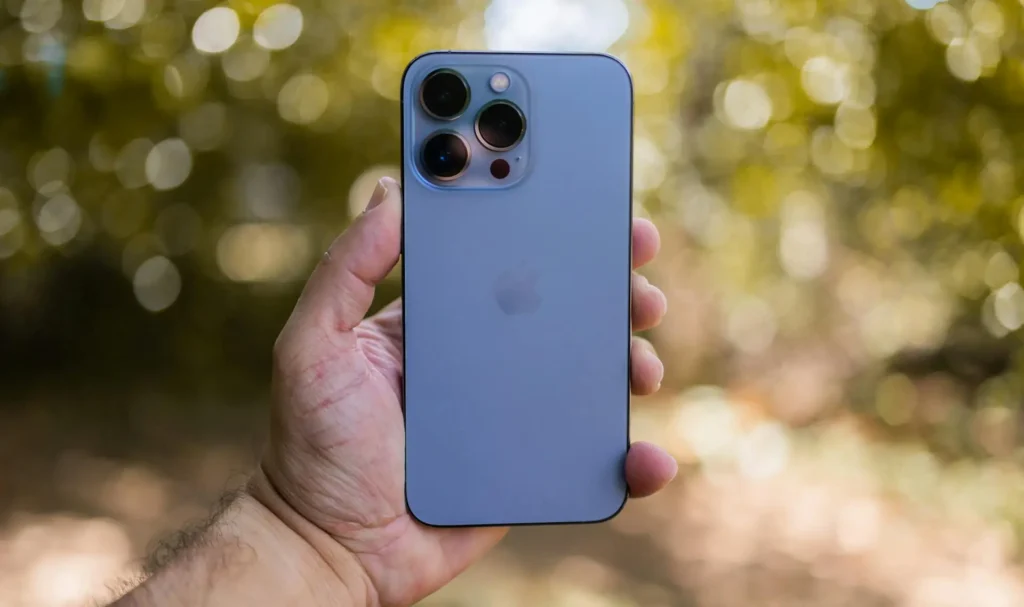
Over the years, iPhones have always retained their value much better. In fact, it’s one of the key factors that make people choose Apple over Android, especially in countries where second-hand items are in much higher demand.
Androids like Samsung and Google Pixel, on the other hand, are known for losing their value much faster than Apple iPhones. According to SellCell’s value retention report, iPhones retain at least around 15%-25% more of their trade-in value compared to Androids like Samsung and Google Pixel phones.
That same report revealed that over the past few years, Samsung’s flagship S series phones have been gaining around a 5% year-over-year increase in value retention. Additionally, iPhone models have been dropping near 5.6% in value retention year-over-year. In other words, the iPhone’s value is falling faster than ever before, and it shows no signs of stopping, while their top competitor, Samsung, has been gradually getting better at retaining their value.
Compared to iPhones and Samsung phones, the Google Pixels lose their value much faster. Other Android brands like OnePlus, Motorola, and Microsoft follow a similar path of losing value fairly quickly after being used.
Why are iPhones Retaining Value Better?
Three major reasons iPhones hold their trade-in value much better are:
- Long-term software support: The iPhone still has major updates at least every 5 years, keeping them updated with the latest features.
- Apple’s premium brand perception: Apple is perceived as a premium smartphone brand, and luxury items retain value much better than regular items.
- Durability: Thanks to Apple’s masterful crafting and simple design, the iPhone can last for years without feeling outdated or old.
Now, these are the major reasons iPhones have always had better value retention over time compared to Androids, like Samsung and Google. If you’ve been keeping up with the smartphone industry these past few years, you’d know that the Android competition has eroded two of those reasons (numbers 1 & 3). Samsung now offers 7 years of major Android OS updates—1-2 years more than Apple. Durability issues have been well addressed in flagship Galaxy phones thanks to premium materials like titanium being used on the phone’s frame.
And if we’re being honest, Apple’s premium brand doesn’t seem safe either, thanks to brilliant targeted ads and marketing campaigns from Samsung.
Then there’s AI. If there’s one smartphone company that has managed to embrace and position themselves as the AI phone brand, it’s Samsung. Apple has been the slowest in the AI arms race. So how does this affect value retention?
AI seems to be the future of smartphone innovation. Every expert in almost every industry has reiterated this same thing. So by positioning themselves as the AI flagship phone, Samsung has changed the market’s perception of itself and increased assurance in the longevity and utility of the brand. While Apple has moved slowly, which is seen as them being less innovative. This is not what most expect from a premium technology brand.

Factors Affecting Trade-In Value
Brand Popularity and Perception
Brand popularity and perception greatly affect a phone’s trade-in value. In general, Popularity = Strong brand = Higher demand. That is, the more popular a brand is, the more demand it’ll have. And as economists tell us, higher demand = higher price.
Perception in this context basically means what the majority of people think about the phone brand. Let’s take a look at Apple’s brand perception to get a better understanding.
Apple is seen as a luxury brand, and iPhones carry a certain prestige. Many people associate iPhones with quality, security, and status, which makes them more desirable. This perception keeps resale prices high compared to most other brands. Also, the closely interwoven Apple ecosystem makes iPhones more appealing.
Apple is one of the most recognizable smartphone brands in the world, and their popularity keeps demand high. No matter the model, there’s always a market for used iPhones because people trust the brand. Higher demand means higher trade-in value—simple economics. Compared to other brands, iPhones tend to retain their value longer.
Device Condition and Age
The physical condition of the device can make or break its value. I mean, there’s no world where a Samsung S25 Ultra with a cracked screen is more valuable than the same phone with a perfect screen. Then there’s also battery health, screen burn, and scratches. Factors like these are why refurbished and used phone sellers employ categorization of phone stock: Pristine, Excellent, Good, Fair, etc.
Device age in this context, means more about how new the device is; how many new models of the device are out. Every time a new set of Samsung S series devices is released, older models instantly reduce in value. If you’re looking for the best iPhone to buy, newer models naturally retain their value longer.
Software Support and Updates
Another thing that really affects a phone’s value is software support. For many years, Samsung devices only received 2-3 years of major software updates and a year or two of security updates, while iPhones supported for 5-6 years. This stark difference made iPhones more valuable even though they were older, simply because despite being older, the device still had the latest software.
iPhones released four years ago would have almost exactly the same software features as the latest and greatest. While Samsung’s flagships went stale after just a couple of years, this made selling old iPhones an easier ordeal. Thankfully, Samsung and other major Android brands like Google now support much longer software support timelines.
Market Demand and Supply
Lastly, one of the simple factors that affect a smartphone’s trade-in value is basic market demand and supply. If the demand for a phone is higher than the supply, the device’s value will automatically be higher and vice versa.
A good example of this is limited edition phones. The newest iPhone price tends to stay high at launch due to high demand and limited supply.
Factors That Can Increase Trade-In Value
While there’s no stopping the natural devaluation of a smartphone over time, there are a number of things you can do to slow down your phone’s depreciation.
- Keeping the phone in excellent condition.
- Keeping all of the original accessories.
- Using protective cases and screen protectors.
- Keeping the software updated.
- Selling your phone before the new model is released.
How To Calculate Long-Term Trade-In Value?
Calculating your device’s long-term trade-in value can give you specific insights into your phone’s future value. So we’ve developed a free online electronics pricing tool that does just that. Our prices are based on real-time market demand, the age of the device, condition, and storage size. You can use our online pricing tool to track the value of your phone over time.
Final Thoughts
In this article, we explored the shifting landscape of smartphone trade-in values, comparing iPhones and Androids, and highlighting the impact of brand loyalty, software updates, and tech advancements. To help you stay ahead, we’ve created a free online pricing tool that lets you track the value of your phone and other electronics. With this, you can make smarter decisions when buying or trading in your device.
Frequently Asked Questions
Which phone has the highest resale value?
Generally, iPhones consistently lead in resale value. Data from sources like SellCell show that iPhones, particularly newer models, retain a higher percentage of their original value compared to Android counterparts. If you’re looking to sell an old iPhone, you’re likely to get a better price than with most Android devices.
Which brand has better resale value: iPhone or Samsung?
Comparing iPhones to Samsung, iPhones consistently outperform Samsung in resale value. Studies indicate that iPhones can retain up to 15-20% more of their value after one year than Samsung phones. However, it seems that Samsung is starting to catch up in terms of value retention.
Does the iPhone have better resale value?
Yes. Data overwhelmingly supports that iPhones have better resale value.
Does iPhone sell better than Android?
While Android has a larger overall market share (around 70% globally), iPhones command a significant portion of the premium smartphone market and maintain strong sales, especially in regions like North America. Many companies that buy phones prefer iPhones due to their consistent resale value.